Experienced Paint Protection Film Manufacturers Produce Advanced Protective Materials
Maintaining a vehicle’s polished appearance becomes easier when advanced surface protection is designed with durability, clarity, and flexibility in mind. Experienced manufacturers develop paint protection films that create a transparent barrier while helping preserve the original finish. Modern materials combine impact resistance, optical clarity, UV stability, and surface recovery for dependable performance.
Advanced Material Engineering
Selected polymer materials form the foundation of high-performance protective films. Experienced manufacturing focuses on creating balanced layers that deliver strength without sacrificing flexibility or visual appeal.
- Durable polymer construction supports everyday surface protection.
- Flexible materials conform smoothly to curved exterior panels.
- Transparent layers help maintain the original paint appearance.
- Consistent thickness promotes dependable protective performance.
- Refined surfaces support a clean, polished finish.
Self-Healing Surface Technology
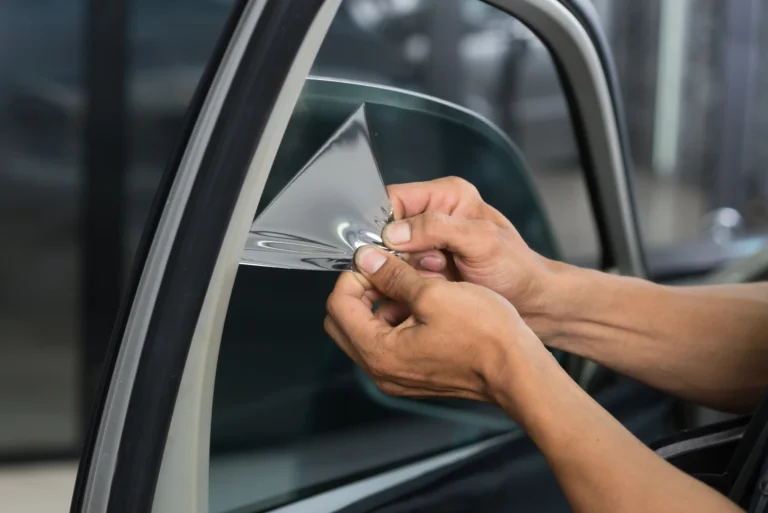
Modern protective films can incorporate self-healing top layers that respond to suitable heat and help reduce the visibility of minor surface marks. This feature supports a smooth appearance and adds practical value to vehicle care.
- Helps minimize the appearance of light scratches.
- Supports a smoother surface after everyday contact.
- Maintains a refined finish with regular use.
- Reduces visual disruption from minor swirl marks.
- Complements long-term exterior care routines.
Clarity and Appearance Preservation
High-quality films remain visually subtle while allowing the original color and contours to stay prominent. Optical clarity and gloss can enhance the presentation without changing the character of the painted surface.
- Clear construction supports an almost invisible appearance.
- Glossy finishes can complement polished paintwork.
- Smooth surfaces help maintain visual consistency.
- Anti-yellowing properties support lasting clarity.
- Uniform film quality promotes an attractive finish.
Reliable Protection Against Surface Wear
Paint protection film provides a physical layer between painted surfaces and common sources of exterior wear. Advanced materials help resist road debris, light abrasion, environmental exposure, and everyday contact.
- Helps guard against stone chips and small impacts.
- Supports resistance to scratches and abrasion.
- Helps protect against surface staining.
- Provides an additional barrier against environmental exposure.
- Supports preservation of painted panel quality.
Flexible Solutions for Different Applications
Experienced manufacturers understand that protective film needs can vary according to panel shape, surface condition, and intended coverage. Engineered films offer flexibility and conformability for selected high-contact areas or broader exterior applications.
- Conforms effectively around curves and contours.
- Supports precise coverage across surface areas.
- Works well on frequently contacted exterior sections.
- Offers practical options for customized protection.
- Helps create a seamless appearance.
Consistent Quality Through Skilled Manufacturing
Experienced production processes emphasize material consistency, careful coating, controlled thickness, and dependable adhesion. These qualities help create films that perform predictably while supporting efficient installation and surface preservation. For additional information about advanced protective materials, https://www.flexippf.com/ru/ can be explored as a relevant resource.
- Careful production supports consistent film performance.
- Reliable adhesion helps maintain secure surface coverage.
- Controlled manufacturing promotes uniform appearance.
- Quality-focused processes support dependable durability.
- Advanced construction encourages long-lasting protection.
Long-Term Value for Vehicle Care
Advanced paint protection film combines practical defense with appearance preservation, helping owners maintain attractive exterior surfaces over time. By bringing together flexible construction, clarity, self-healing capability, and resistance features, experienced manufacturers continue to create materials suited to modern vehicle care needs.